Is your Merritt Island home truly hurricane ready, or are there gaps you will only find during the storm? Living on an island brings daily beauty, but it also means you face surge, wind and access challenges that inland communities may not. This guide gives you a practical, local checklist you can follow to harden your home, stock smart, and move early when it is time to go. Let’s dive in.
Know your local risks
Why Merritt Island prepares early
Merritt Island sits only a few feet above sea level, so storm surge and coastal flooding are real concerns. Brevard County places all of Merritt Island in Evacuation Zone A, which is often first to evacuate for Atlantic hurricanes due to surge and causeway vulnerability. Review your address and evacuation plan on the county’s official page and save it to your phone for quick access. You can confirm your zone and shelter status on the county’s evacuation and planning page.
Check your flood risk
Look up your property’s flood zone and any available Elevation Certificate before storm season. The FEMA Map Service Center lets you search by address so you can plan elevation and insurance decisions. Start with the FEMA Flood Map Service Center.
Weeks before hurricane season
Roof and structure first
Start at the top. Repair missing shingles, secure loose flashing and confirm roof deck attachment. Ask a qualified pro about hurricane straps and ties, and reinforce gable ends and soffits to prevent progressive roof failure. FEMA and Florida retrofit guidance highlight these as high value upgrades, summarized in the Building America retrofit library.
Protect windows, doors and garage
Install tested shutters or impact rated windows and doors. A failed opening can pressurize the home and lead to roof loss. Upgrade or brace the garage door since it is a common failure point in wind events, especially on wide door spans, as outlined in the same retrofit guidance.
Elevate critical systems
If your home sits low, elevate HVAC condensers, water heaters and electrical components where practical. Use flood resistant materials for lower walls and consider a backflow valve. To understand likely water levels for your lot, check your map layer at the FEMA Flood Map Service Center.
Yard and drainage basics
Trim or remove hazardous branches. Stow or strap down grills, furniture and loose items that can become projectiles. Clear gutters and downspouts, and keep street inlets near your home free of debris. Brevard’s public updates often remind residents to keep drainage paths open, which you can track through county updates linked from local resources, including the county’s information hub referenced on this community portal.
Permits and code checks
In Florida, re roofing and major wind retrofits often trigger permit and inspection requirements. Verify local rules before work to avoid issues with insurance or future sales. Brevard provides online permitting information, accessible from the county links referenced on this county information page.
Insurance and mitigation savings
Confirm whether your homeowners policy covers wind damage and remember that standard flood policies are separate. NFIP flood policies usually have a 30 day waiting period, so do not wait for a watch to buy. Review your hurricane deductible and ask about mitigation credits for impact openings, roof connections and secondary water barriers. Start with FEMA’s flood insurance overview and Florida’s consumer guidance on hurricane deductibles and protections.
3 to 5 days before landfall
Secure the property
Install shutters or close impact coverings. Bring in outdoor items, anchor propane tanks and check that downspouts are clear. Take current photos of your home and valuables for potential claims.
Build your emergency kit and go bag
Stock water, food and essentials. Ready.gov recommends at least 1 gallon of water per person per day and several days of nonperishable food, plus a battery radio, flashlights, extra batteries, first aid supplies and needed medications. Pack vital documents, chargers, cash and pet supplies in a waterproof go bag. See the full checklist at Ready.gov.
Plan your evacuation
Merritt Island is Zone A. Orders can be mandatory and bridges can be unsafe once winds build, so leave early if evacuation is advised. Evacuate tens of miles to safer ground rather than hundreds to avoid congestion. Confirm your zone and shelter options on Brevard County’s evacuation page.
Pets and special needs
Pet friendly shelters open selectively and require a carrier, food and vaccination records. If you need medical support or transport, pre register with the county. Learn requirements and sign up on Brevard’s Special Needs registry page.
24 hours before winds arrive
Utilities and power
Set refrigerators to the coldest setting, top off fuel and charge batteries and power banks. Know how to shut off water and electricity if instructed. For outages, Florida Power & Light provides storm resources and reporting tools. Review the FPL storm guide.
Generator safety
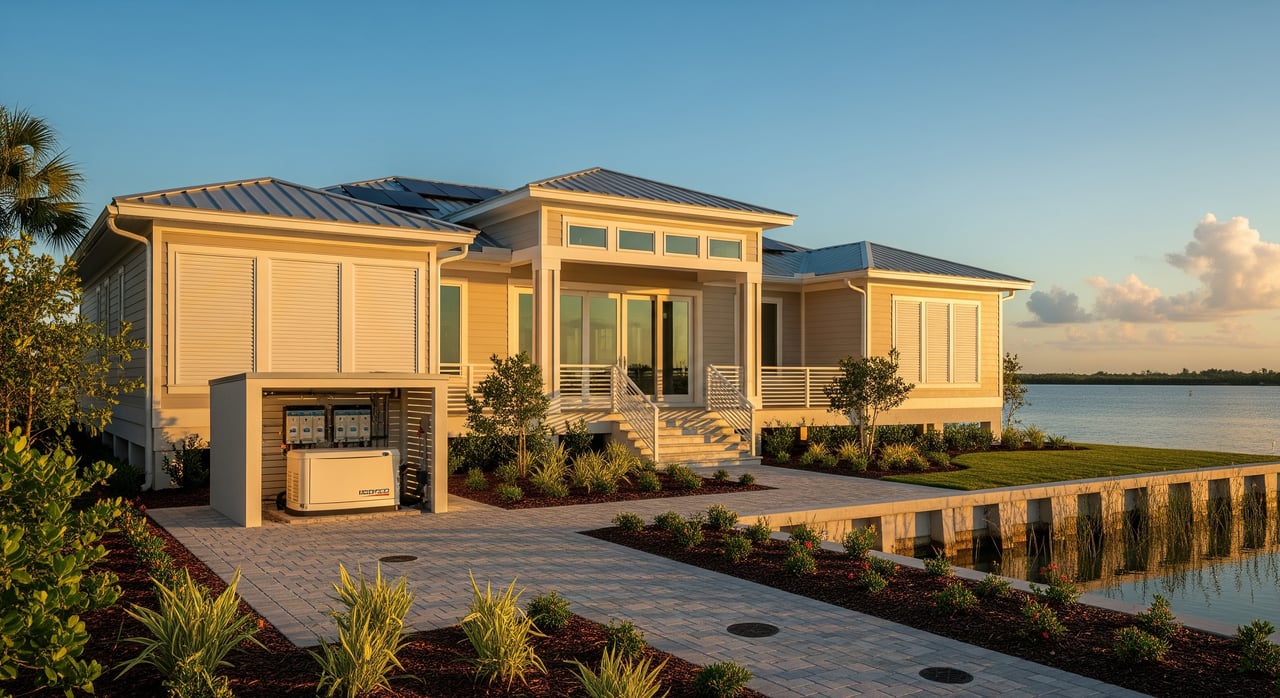
Never run a portable generator inside the home or garage. Place it at least 20 feet from doors and windows, downwind from openings. Use a transfer switch installed by a licensed electrician and a working carbon monoxide alarm. Follow the CPSC’s generator safety tips.
Communications and backups
Sign up for county alerts, program emergency numbers and keep a paper map in case your phone dies. Keep digital copies of IDs, insurance and key records in cloud storage. The county’s evacuation page lists local public information channels and planning tools.
After the storm
First steps and documentation
Stay clear of floodwater, downed lines and unstable structures. Photograph damage, note dates and keep all repair and evacuation receipts. If a federal disaster is declared, review the document checklist at DisasterAssistance.gov.
Claims, contractors and permits
Contact your insurer as soon as it is safe. Be cautious with door to door offers and verify licenses and permits for major repairs. Brevard coordinates debris collection and provides updates and contacts through county channels, linked from this county information page and the county’s permitting resources referenced on this page.
Mitigation funding
After declared disasters, local programs sometimes help with home elevation, roof retrofits or other mitigation projects. Ask Brevard County Emergency Management about available programs and eligibility. FEMA’s Hazard Mitigation Assistance overview explains typical activities and process steps, summarized in this program guidance index.
Quick island home checklist
- Roof and structure: repair shingles and flashing, add hurricane straps, reinforce gable ends and soffits, review permits before work.
- Openings and garage: install shutters or impact glass, upgrade or brace the garage door.
- Systems and flood: elevate HVAC and electrical, consider a backflow valve, check your flood zone and Elevation Certificate.
- Yard and drainage: trim trees, secure outdoor items, clear gutters and nearby storm drains.
- Supplies: water, nonperishables, radio, flashlights, batteries, first aid, medications, cash, pet needs.
- Go bag: IDs, insurance, deeds, photos of home, chargers, power bank, small cash, pet records.
- Evac plan: confirm Zone A, map a nearby destination, fill the car early, know your shelter option.
- Insurance: verify wind and flood coverage, note hurricane deductible, ask about mitigation credits.
Planning a sale or purchase
If you plan to sell or buy on Merritt Island, document resilience. Elevation Certificates, wind mitigation reports, impact openings and a newer roof can influence insurance costs and buyer confidence. Confirm flood zone status on the FEMA Map Service Center and ask your insurer about current mitigation credits and hurricane deductible options using Florida’s consumer guidance. Thoughtful preparation today can protect your equity and make your home more market ready when it is time to list.
When you are ready to align safety upgrades with smart pre sale strategy, reach out to the LGN Group - Ann LeNoir & Jenny Shupard for local guidance that puts your goals first.
FAQs
What evacuation zone is Merritt Island in, and where do I check orders?
- All of Merritt Island is in Zone A, and you can confirm your address, shelter openings and evacuation guidance on Brevard County’s evacuation page.
How much water should I store for hurricane prep?
- A good rule is at least 1 gallon per person per day for several days, along with nonperishable food and essentials listed on Ready.gov’s emergency kit checklist.
Does homeowners insurance cover flood on Merritt Island?
- Standard homeowners policies typically exclude flood, so you need a separate flood policy, and NFIP policies usually have a 30 day waiting period as explained in FEMA’s flood insurance overview.
When do Florida hurricane deductibles apply?
- Florida policies often include a hurricane or windstorm deductible that may be 1 to 10 percent of dwelling coverage, and it applies during specific time windows tied to hurricane warnings; review your declarations and the state’s consumer guidance.
Are garage doors really a weak point in hurricanes?
- Yes, unbraced or non rated garage doors often fail first and can lead to major structural damage; upgrading or bracing is a top retrofit priority per FEMA and Florida retrofit guidance.
Where do I find my property’s flood map and elevation info?
- Use the FEMA Flood Map Service Center to look up your address and check for Elevation Certificate details that may inform insurance and mitigation decisions.